


The relationship between a bulging disc and Interstitial Cystitis is significant
Understanding the Link Between the Bladder and the Spine
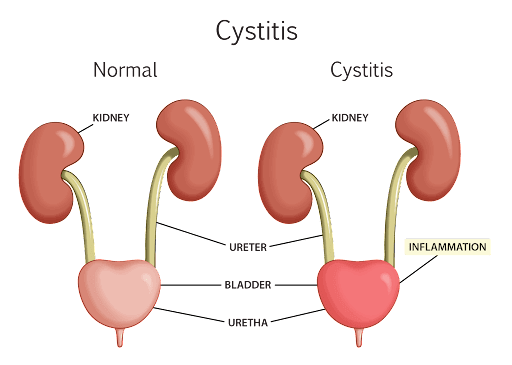
Interstitial Cystitis (IC)—also known as Painful Bladder Syndrome (PBS) or Bladder Pain Syndrome—is a chronic bladder condition that can cause urinary urgency, frequency, and pelvic discomfort. While bladder-related issues are typically treated by urologists and spine problems by spinal specialists, the connection between lower back pain and bladder pain is often missed.
One significant cause is a bulging disc in the lower spine. The sacral nerves, which control bladder sensation, can become irritated by a herniated or bulging disc. This irritation may trigger:
- Pain and spasms in the bladder
- A false sensation of bladder fullness
- Increased urinary frequency
- Pelvic floor dysfunction
When these nerves are affected, IC symptoms can worsen, especially during lower back flare-ups like sciatica.
How Nerve Irritation Impacts Interstitial Cystitis Symptoms
The sacral nerves are key to bladder function. If they are compressed, inflamed, or irritated due to spinal issues, bladder discomfort and urinary symptoms can intensify. Nerve dysfunction, pelvic floor muscle tension, and spinal misalignment all contribute to bladder pain and IC flare-ups.
Some patients have reported that epidural injections—especially those containing platelet-rich plasma (PRP) or growth factors from their own blood—reduce both back pain and bladder pain. This dual benefit highlights the deep connection between spinal health and bladder function.
The connection between Interstitial Cystitis and lower back pain is often overlooked.
Treatment Options for Interstitial Cystitis Caused by a Bulging Disc
If a bulging disc is aggravating your IC symptoms, a targeted treatment plan can make a significant difference. Options may include:
- Medications to reduce inflammation and nerve irritation
- Physical therapy to improve posture, core strength, and spinal alignment
- Pelvic floor therapy to relieve muscle tension contributing to bladder pain
- Lifestyle changes such as ergonomic adjustments and anti-inflammatory diets
- Epidural injections to calm sacral nerve irritation and improve bladder comfort
A thorough medical evaluation is essential to determine whether your bladder symptoms are linked to a spinal problem. Addressing the root cause can help you avoid years of unnecessary bladder-focused treatments that fail to bring relief.
Why Proper Diagnosis Matters
Many Interstitial Cystitis patients undergo extensive testing and treatments for bladder pain without ever addressing the underlying spinal issue. If nerve-related conditions such as lumbar disc bulges or sciatica are overlooked, patients may continue to suffer from persistent symptoms.
Recognizing the bladder–spine connection allows for a comprehensive approach that treats both the urinary and musculoskeletal systems—giving patients the best chance for lasting relief.
Sources

http://www.pelvicpainrehab.com
https://regenexx.com/symptom/is-your-bladder-pain-a-sign-of-lower-back-trouble/
https://centenoschultz.com/condition/interstitial-cystitis/
https://medshun.com/article/can-interstitial-cystitis-cause-sciatica
Key Words
interstitial cystitis and lower back pain,
bladder pain and bulging disc,
sacral nerve irritation bladder,
painful bladder syndrome and back pain,
bladder pain from herniated disc,
interstitial cystitis nerve connection,
bladder pain sciatica,
pelvic floor dysfunction and bladder pain,
epidural injection bladder pain relief,
bladder pain spine connection,
bladder pain treatment options,
interstitial cystitis causes and treatments,
bladder pain lower back causes,
urology and spine care,
bladder pain relief from PRP injections

