

Why Low-Impact Workouts Are Best for IC Patients
For individuals with Interstitial Cystitis (IC)—also known as Painful Bladder Syndrome—exercise can be a double-edged sword. While physical activity supports overall health, certain movements can worsen bladder pain and urinary symptoms. Low-impact exercises are ideal because they avoid creating excess intra-abdominal pressure, which can compress the bladder lining and trigger pain.

Best Low-Impact Exercises for Interstitial Cystitis
1. Water Sports and Aquatic Exercise
Swimming and water aerobics are often well-tolerated by IC patients. Exercising in water reduces joint stress and prevents bladder compression. Whenever possible, choose:
- Saltwater pools for reduced chemical exposure
- Low-chlorine pools to avoid bladder irritation
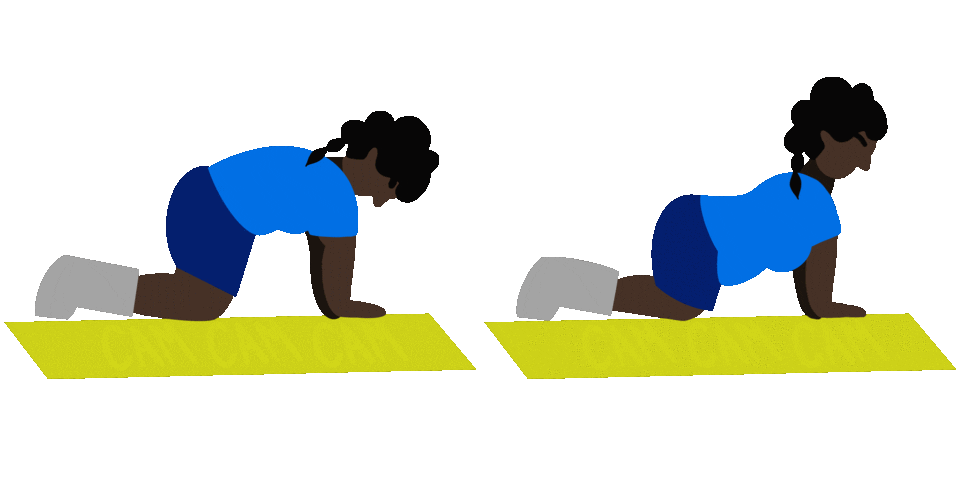
2. Yoga for Pelvic Floor Relaxation
Certain yoga poses can help relieve IC pain by relaxing tight pelvic floor muscles—a common source of bladder discomfort. Ideal options include:
- Beginner yoga classes
- Yoga for seniors (gentler movements)
- Avoiding deep twists or intense core engagement if they cause symptoms
3. Gentle Cardio for Bladder-Friendly Fitness
Low-impact cardio options help maintain cardiovascular health without aggravating bladder pain:
- Walking at a steady pace
- Cycling (stationary or outdoor, depending on comfort)
- Elliptical machine for joint-friendly movement
Avoid high-impact exercises like running, jump rope, or step aerobics, which may increase pelvic pressure and irritate the bladder.
Listen to Your Body and Adjust as Needed
Every Interstitial Cystitis case is different. Pay attention to how your bladder responds after exercise. If you notice a symptom flare-up, scale back the intensity or try a different activity. For personalized guidance, consult a pelvic floor physical therapist or a healthcare provider experienced in treating IC.
Remember to stay hydrated💧, empty your bladder before and after exercise, and pay attention to any triggers that may worsen your symptoms.
Consulting with a healthcare provider 🥼 or physical therapist can help create an exercise plan tailored to your specific needs and limitations.
 TREATING INTERSTITIAL CYSTITIS