

If you drink 8 ounces of water 💦 , it will generally be in your bladder within 20 minutes. So, it’s a good idea to plan your restroom 🚽 breaks if your bladder doesn’t give you the warning ⚠️ signal.
For Interstitial Cystitis, drinking enough water is important to dilute urine and reduce bladder irritation, but overhydration can worsen urgency and discomfort, so balance is key.
How Long Does It Take for Water to Reach Your Bladder?
If you drink 8 ounces of water, it can start reaching your bladder in about 20 to 40 minutes. The exact time depends on several things, including how much water you have already drank, whether you have food in your stomach, and how well your kidneys work.
Water Absorption in the Body
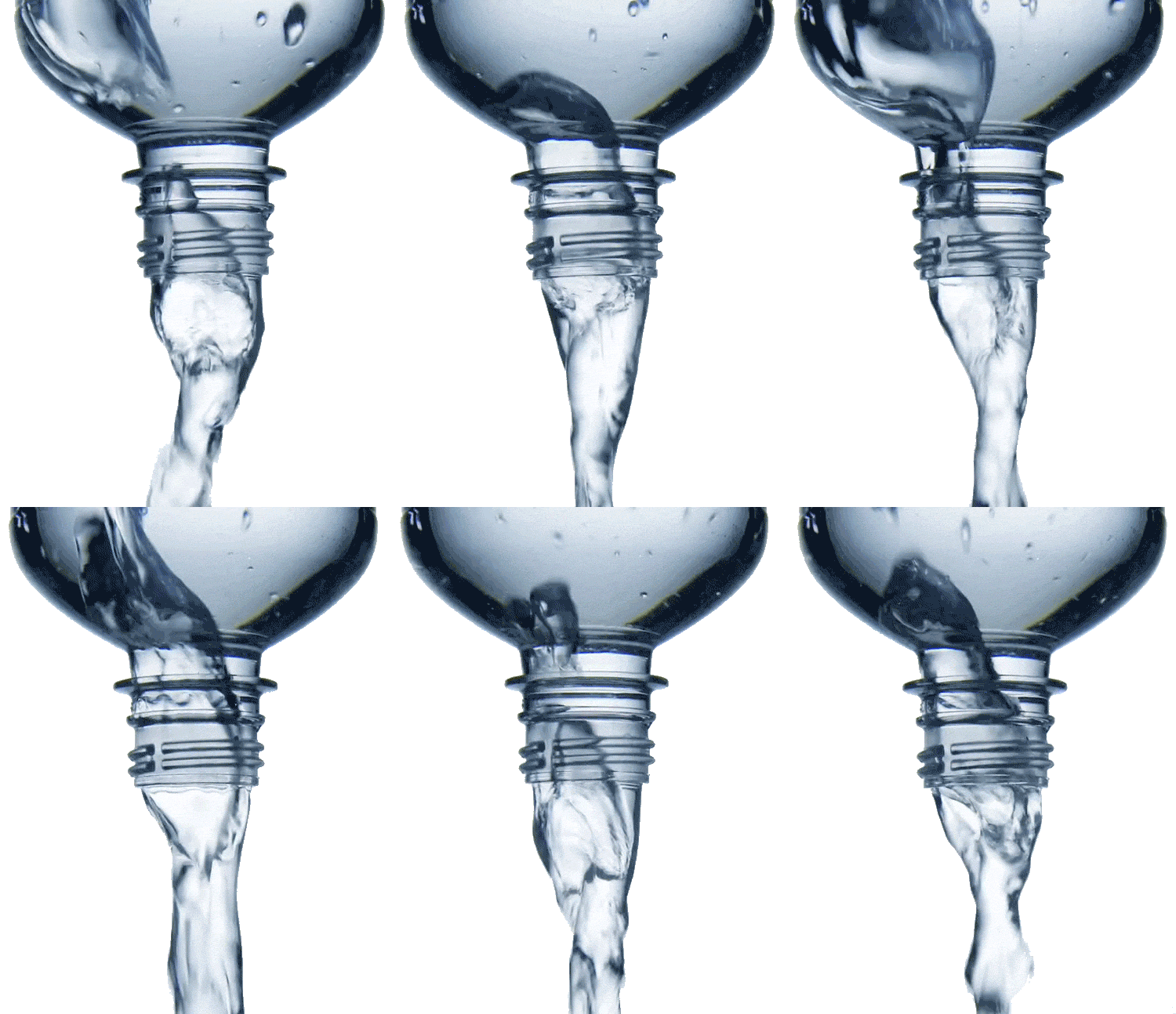
After you drink water, it travels down your throat into your stomach. From there, it moves into your small intestine, where most of the water is absorbed into your bloodstream. This process can begin in as little as 5 minutes, and your body usually absorbs the most water after about 20 minutes, especially if your stomach is empty.
How the Kidneys Make Urine
Once the water enters your bloodstream, it travels to your kidneys. The kidneys filter your blood, remove extra water and waste, and make urine. The urine then flows through the ureters into your bladder, where it stays until you urinate.
If you are already well hydrated, your body may make urine more quickly. If you are dehydrated, your body tries to save water, so your kidneys make urine more slowly. For most people, it takes about 45 minutes to 2 hours for the kidneys to filter the water and send urine to the bladder.

Practical Tips
- Sip water throughout the day rather than drinking large amounts at once to avoid overfilling the bladder.
- Monitor urine color: pale yellow usually indicates adequate hydration.
- Use bladder-friendly fluids: water is best, but herbal teas or low-acid juices can also help without irritating the bladder.
- Track symptoms: note how different amounts of water affect urgency, frequency, and pain to find a personalized balance.
- Consider environmental and lifestyle factors: medications, cold weather, and high-fiber diets can increase water needs.
Sources

http://www.scienceinsights.org

