

Surgery for people with Interstitial Cystitis (IC) is usually a last resort and undertaken only when the pain is crippling. The surgical procedure typically involves removal of the bladder and the creation of a new one (a neobladder) using intestinal tissue. Most people need to catheterize the neobladder themselves in order to empty it.
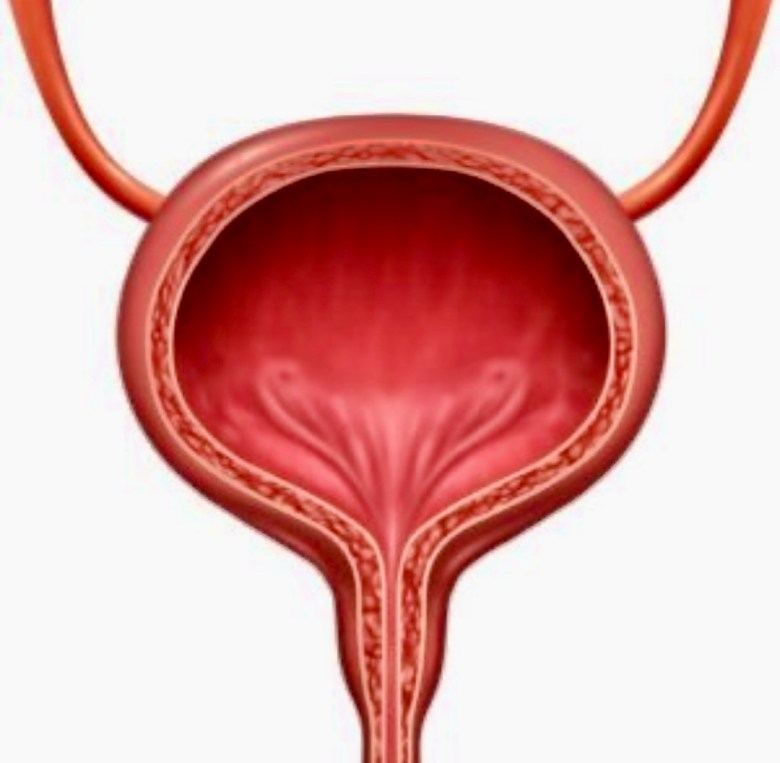
Adjusting to life with a Neobladder
After recovering from surgery, it takes some time for most patients to adjust to living with a neobladder. One challenge is learning when and how to use your abdominal muscles to empty the neobladder. Normally the bladder is connected to nerves that signal to a person that the bladder needs to be emptied. However, the neobladder does not have the same nerve connections. It generally takes time to understand the new signals that indicate when you need to urinate. Your healthcare providers will help you understand your body’s new signals. Urine that is stored in the neobladder may also contain white mucus because the neobladder is made out of intestinal tissue.
Over time, most patients find that they are able to resume most, if not all, of their day-to-day activities, including physical exercise and sexual activities. Unless their work involves certain types of strenuous activities, most people will be able to go back to work as usual.
Chirurgie de la vessie, Extracción de la vejiga
SOURCES

https://bladdercancer.net/coping/neobladder
# Interstitial Cystitis
# Bladder
# Cystite interstitielle
# Vessie
# Cistitis Intersticial
# Vejiga
# 間質性膀胱炎
# Kanshitsuseibōkōen
# अंतराकाशी मूत्राशय शोथ
# ഇന്റർസ്റ്റീഷ്യൽ സിസ്റ്റിറ്റിസ്
# 간질성 방광염
# ganjilseong bang-gwang-yeom
 TREATING INTERSTITIAL CYSTITIS
thanks for visiting my site. I would be thrilled if you’d write a guest blog post for my site. If you think it might be fun or helpful to have my followers (who total about 10k across my various social media) meet you, here’s the link for general guidelines:
LikeLiked by 1 person
Thank you. I will take a look and get back to you.
LikeLiked by 1 person
Wonderful! Whenever you’re ready or if you have questions please email me at contactdaal@gmail.com
LikeLiked by 1 person