


Breaking News, Breaking News, Breaking News
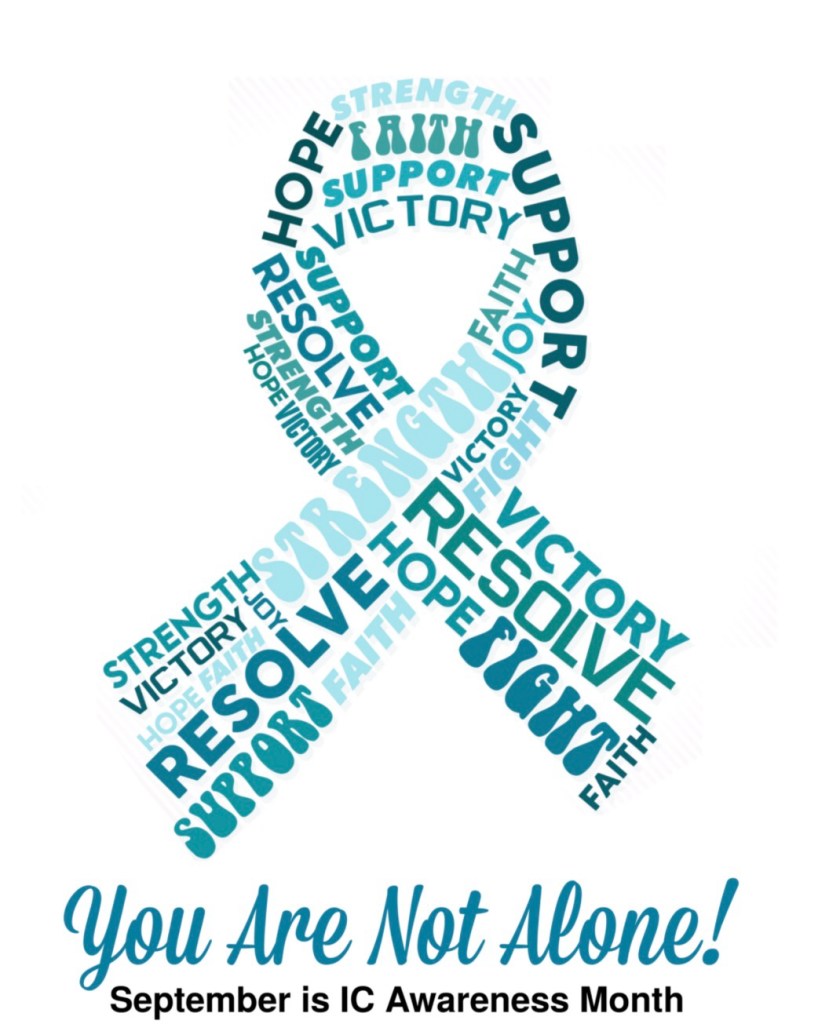
Interstitial Cystitis (IC) Awareness Month is observed in September. The goal of raising awareness during this month 🗓️ is to help those suffering from Interstitial Cystitis, who may be silent or undiagnosed, and to educate 👩🏫 the public about this debilitating condition. Interstitial Cystitis, also known as bladder pain syndrome, causes pain and pressure in the bladder area and can significantly impact quality of life.

Once thought to be rare, Interstitial Cystitis (IC) is now believed to have a markedly higher prevalence. This potentially devastating disease is also known as painful bladder syndrome (PBS) and can significantly impact quality of life. It is diagnosed by its symptoms, as there are no proven pathological findings.
Interstitial Cystitis (IC) Awareness Month is observed in September.
Interstitial Cystitis is a painful bladder condition caused by inflamed tissues of the bladder wall. Most Interstitial Cystitis patients have recurring pelvic pain, pressure, or discomfort in the bladder and pelvic region. They also experience urinary frequency (needing to go often) and urgency (feeling a strong need to go). Interstitial Cystitis can have a long-lasting adverse effect on your quality of life.
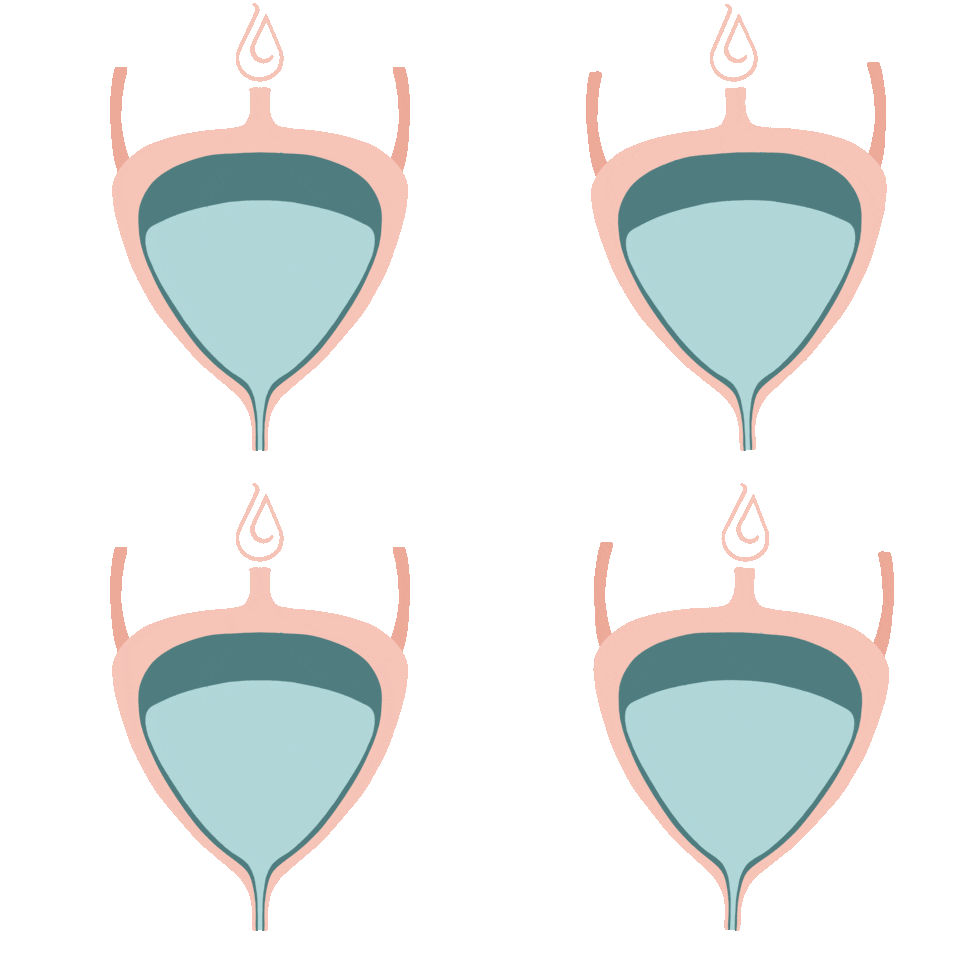
Interstitial Cystitis may also be referred to as painful bladder syndrome (PBS), bladder pain syndrome (BPS), and chronic pelvic pain. Symptoms may be mild or severe and may vary in intensity even in the same individual over time. There is no cure for PBS/IC, and treatments are directed at reducing the severity of symptoms.
Currently there are two recognized types of Interstitial Cystitis: non-ulcerative and ulcerative.
Interstitial Cystitis may also be referred to as painful bladder syndrome (PBS), bladder pain syndrome (BPS), and chronic pelvic pain. Symptoms may be mild or severe and may vary in intensity even in the same individual over time. There is no cure for PBS/IC, and treatments are directed at reducing the severity of symptoms.

Non-ulcerative: The majority of Interstitial Cystitis patients have the non-ulcerative form of Interstitial Cystitis. Non-ulcerative Interstitial Cystitis presents with pinpoint hemorrhages, also known as glomerulations, in the bladder wall. However, these are not specific for Interstitial Cystitis and any inflammation of the bladder can give that appearance.
Ulcerative: A small portion of IC patients have the ulcerative form of Interstitial Cystitis. These patients usually have Hunner’s ulcers or patches, which are red, bleeding areas on the bladder wall.
Sources

https://pubmed.ncbi.nlm.nih.gov/17546832/
https://www.cdc.gov/interstitial-cystitis/about/
https://www.ichelp.org/get-involved/advocate/ic-proclamation
https://www.aafp.org/pubs/afp/issues/2001/1001/p1199
https://www.uro-gynecologist.com/interstitial-cystitis
# Interstitial Cystitis
# Bladder
# Cystite interstitielle
# Vessie
# Cistitis Intersticial
# Vejiga
# 間質性膀胱炎
# Kanshitsuseibōkōen
# अंतराकाशी मूत्राशय शोथ
# moothrasanji
# 간질성 방광염
# ganjilseong bang-gwang-yeom
# ഇന്റർസ്റ്റീഷ്യൽ സിസ്റ്റിറ്റിസ്
# intersticial sistittis
# bladder pain syndrome


 TREATING INTERSTITIAL CYSTITIS